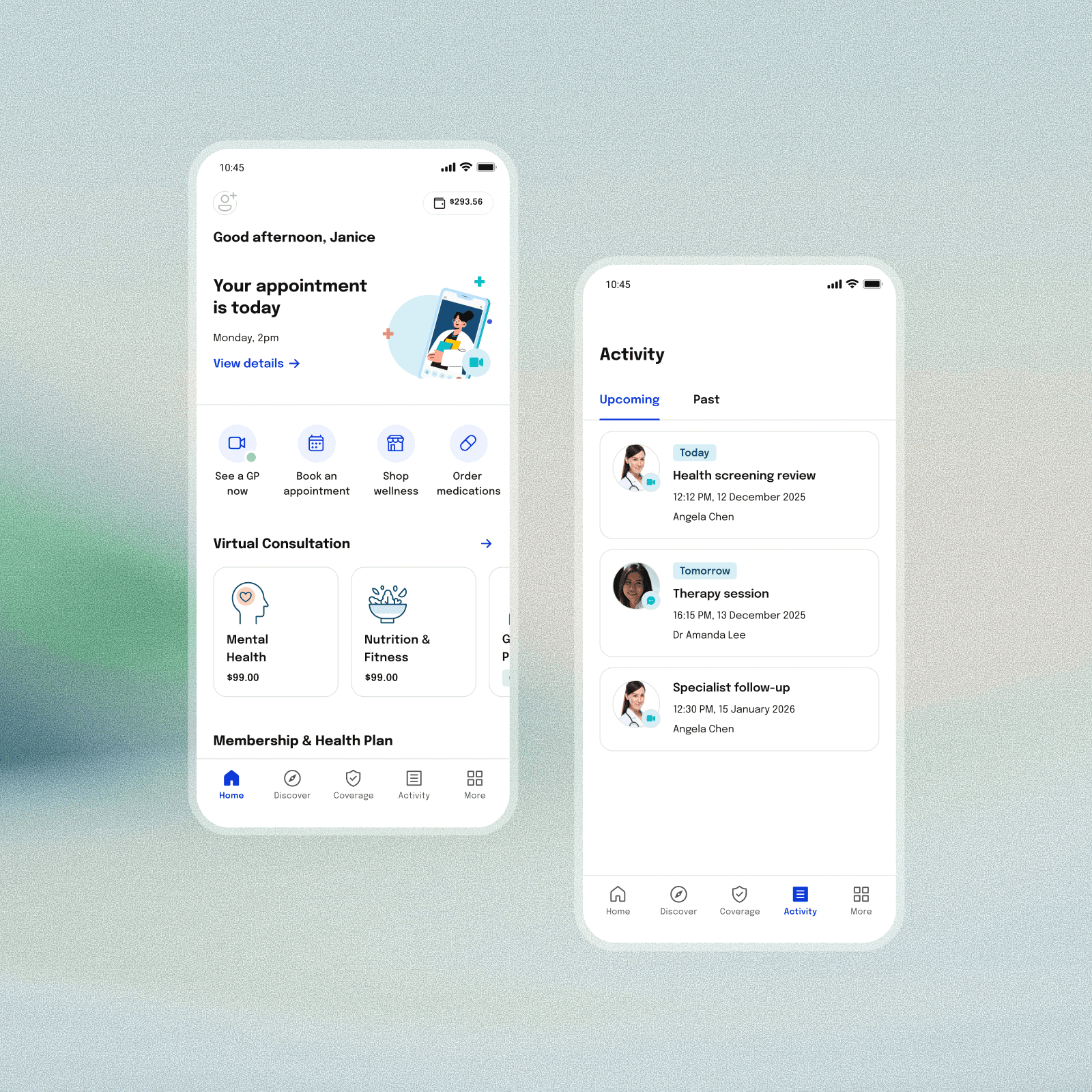
A full rebuild - product, brand, and delivery. Meet Soda
company
Doctor Anywhere / Soda
time
'25
Role
Branding & Product Design
Keywords
#self-serve strategy #AI-augmented delivery #design at scale #0→1 product
Soda began as an attempt to solve a structural problem - not a design one. Doctor Anywhere's B2B offering, DA Care, was a sales-led, legacy product built for bespoke onboarding and manual operations. While functional, it was not designed to scale, and its value proposition for SMEs was unclear.
As the business looked to grow in the SME space, it became evident that optimising DA Care would not be sufficient. What was required was a fundamental rethink of the product, its value proposition, and the digital experience that supports acquisition and onboarding - with self-serve as a first-class constraint, not an afterthought.
This case study covers how Soda evolved from that legacy starting point into a scalable self-serve platform, and how design - augmented by AI tools and automation - was used to enable speed, clarity, and scale under real constraints.
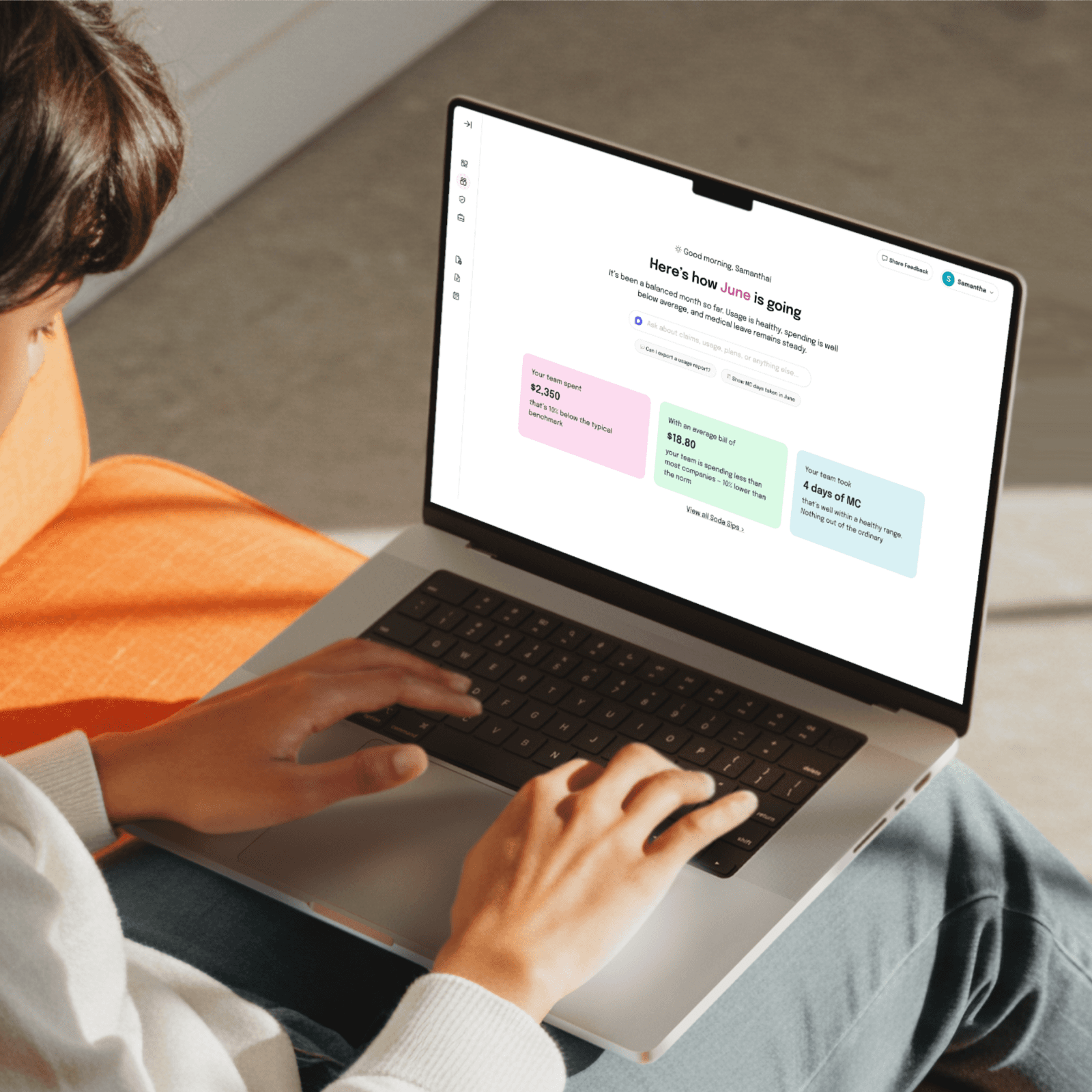
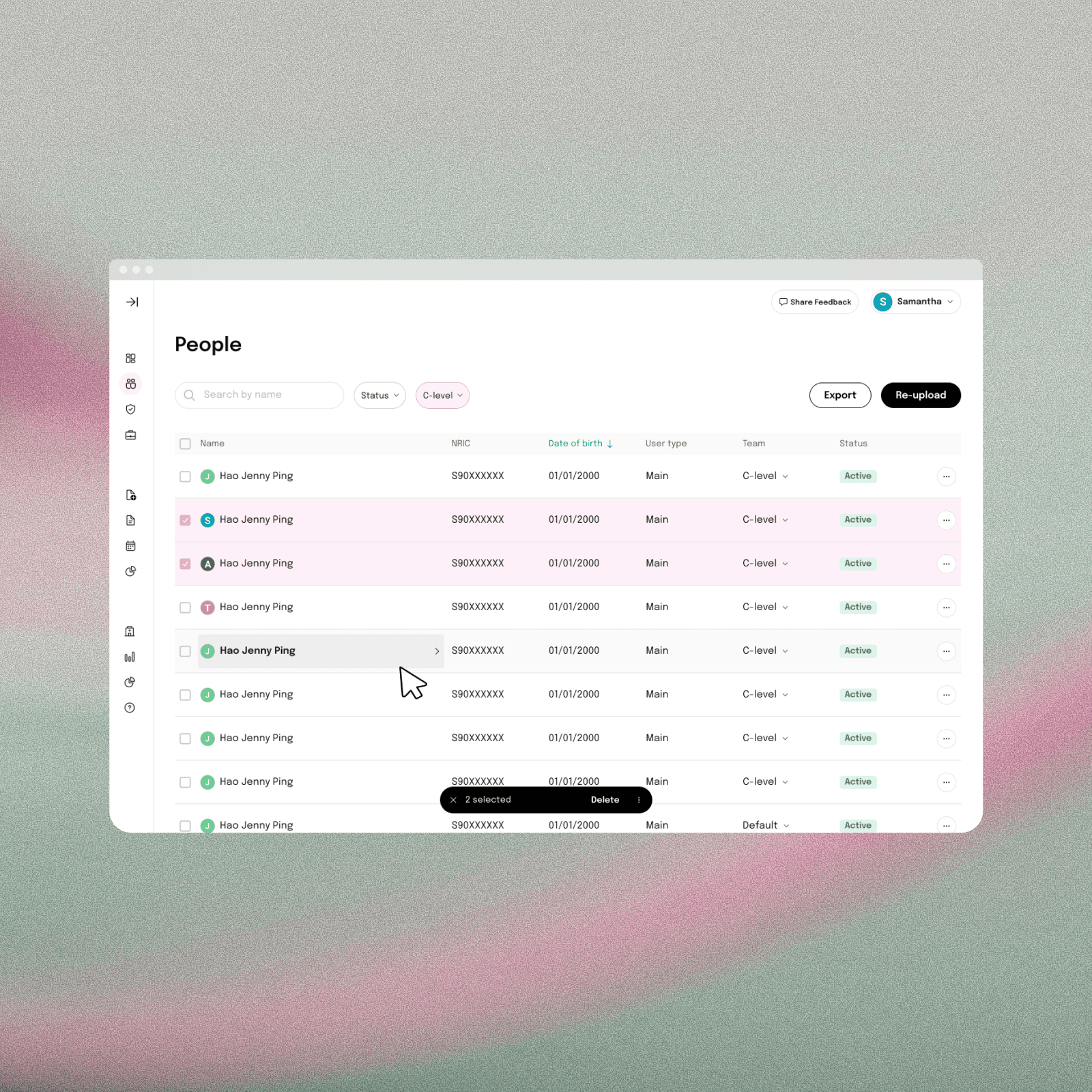
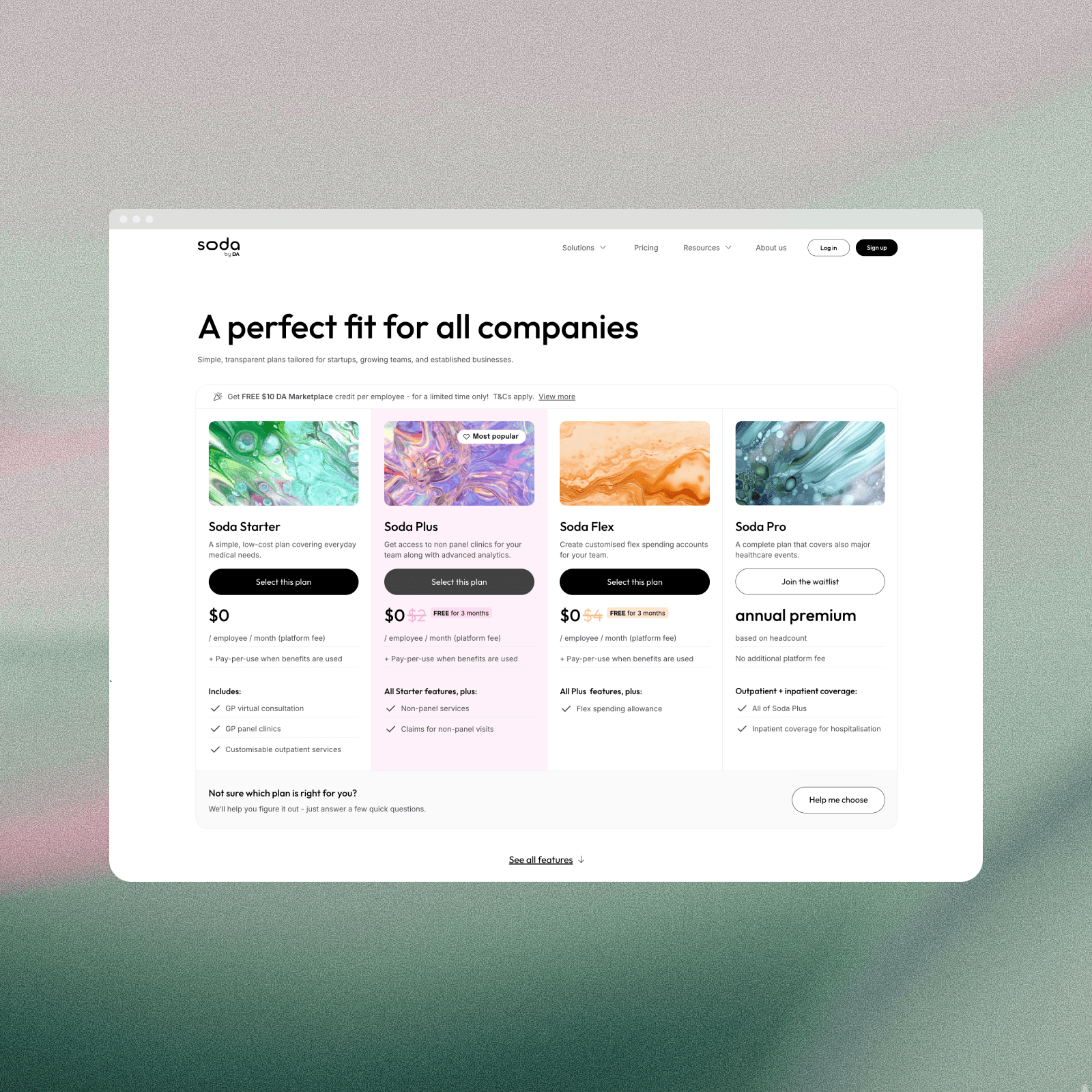
My role & scope
I worked in close partnership with product and C-level leadership to shape the strategic direction of Soda, while taking direct ownership of design and delivery across the core digital experience.
My role intentionally operated across three modes:
• Strategic partnership - contributing to decisions around positioning, target audience, and what the product needed to be in order to scale.
• Principal-level ownership - personally designing and shipping the most ambiguous and high-impact parts of the experience to move quickly and reduce dependencies.
• Design leadership - leading and supporting a design team responsible for detailed UX flows in the HR portal, ensuring alignment with the overall product vision and self-serve strategy.
My scope focused on:
• Defining the end-to-end self-serve experience (acquisition, pricing, onboarding)
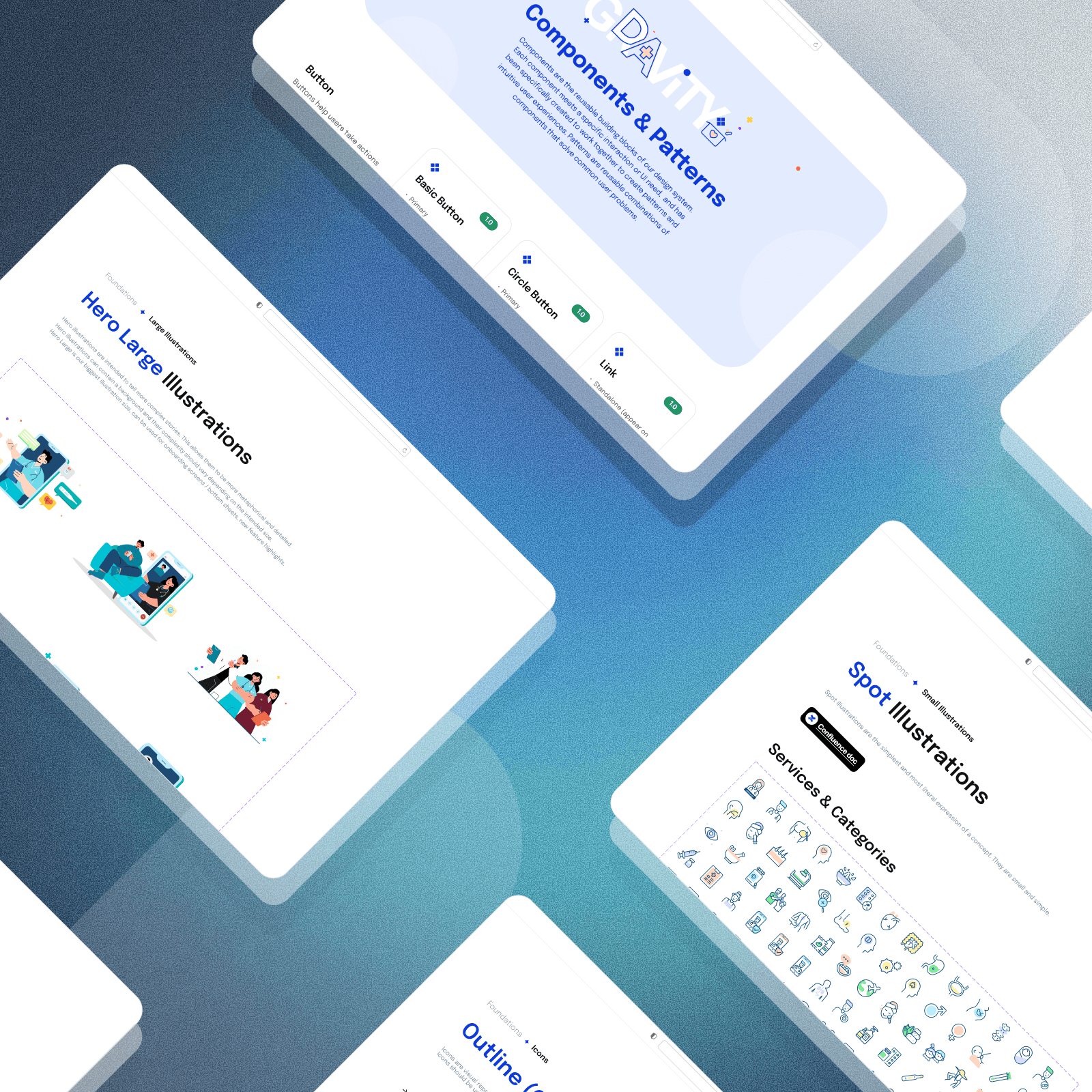
• Shaping Soda's brand expression and experience system
• Owning the marketing website and front-end delivery of the pre-sign-up flow - built personally using Plasmic & AI tools, removing the need for agency or engineering dependencies at the most critical stage
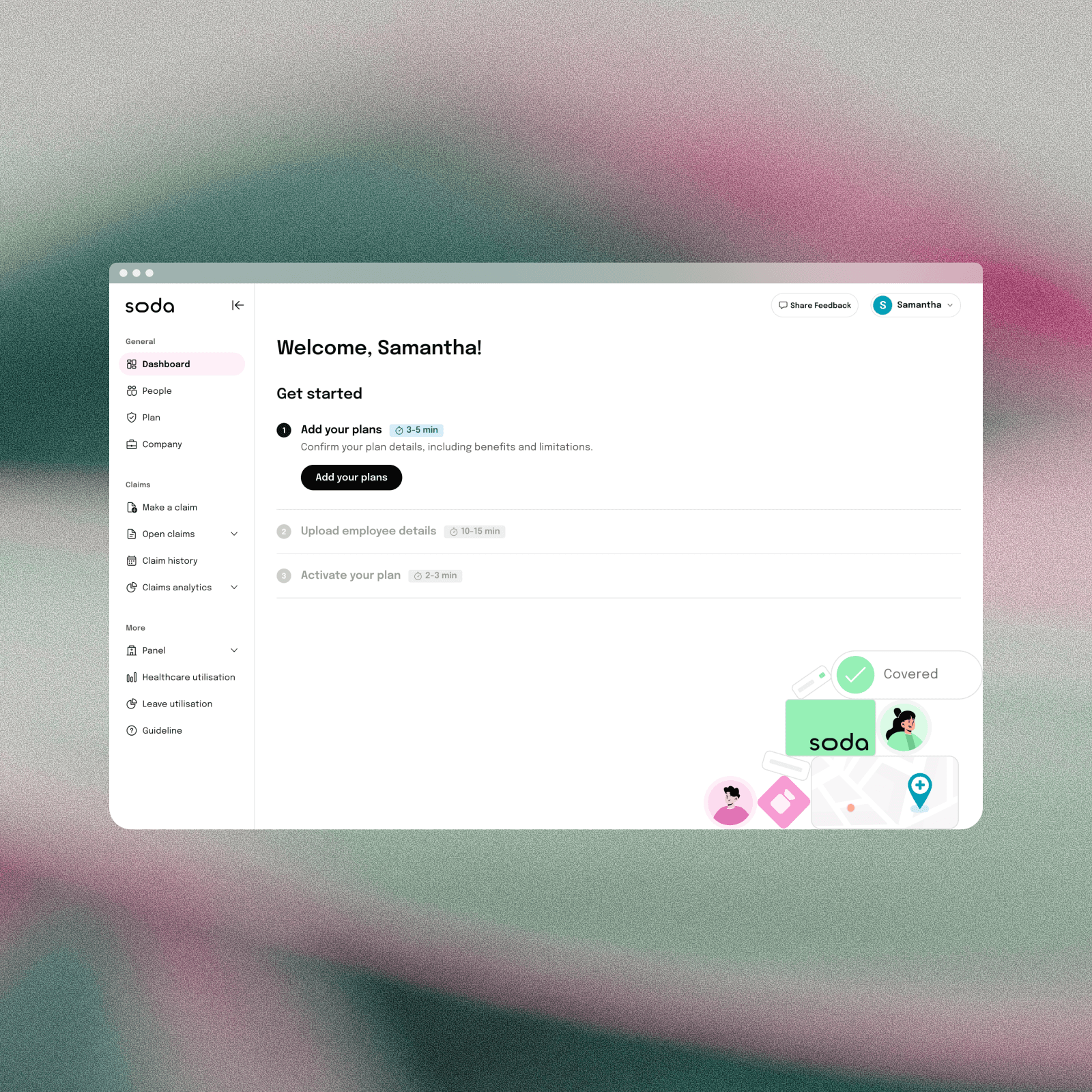
• Setting experience direction and UX standards for the HR portal
• Establishing systems for scale (design patterns, CMS models, content structures)
I remained hands-on by choice, not by default - stepping into execution where speed, clarity, or leverage mattered most, while designing systems that allowed the experience to scale beyond my direct involvement.
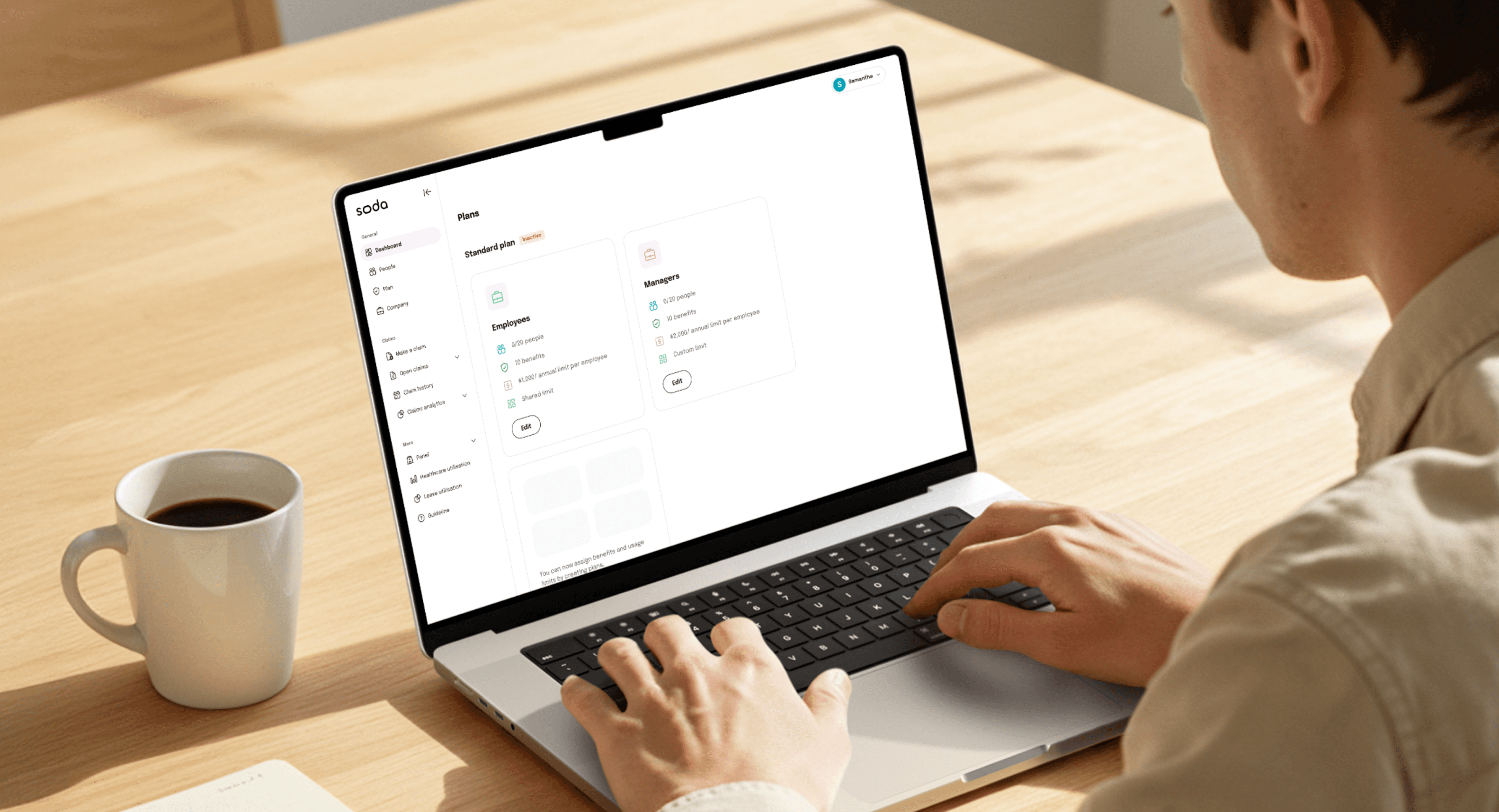
The core challenge
The challenge wasn't a single problem to solve, but a set of competing constraints that had to be addressed together.
We needed to transition a deeply sales-led, legacy product into a self-serve platform - without breaking an existing business, increasing cost, or over-investing ahead of validation. At the same time, the product lacked a clear mental model: who it was for, why it existed, and how customers were expected to understand and adopt it without sales support.
This created a tension between speed and correctness. Moving too slowly would stall momentum and growth. Moving too quickly without clarity would simply recreate legacy complexity in a new form. The core challenge was designing an experience - and a delivery model - that could scale with confidence under these constraints.
Strategic reframing: from DA Care to Soda
A critical early step was reframing the product at a strategic level. Working closely with product and C-level leadership, we aligned on the need to move beyond DA Care - not just as a set of features, but as a customer-facing proposition that could support long-term growth in the SME space.
This alignment resulted in several foundational decisions:
• Retiring DA Care as a customer-facing brand
• Launching Soda as a new product identity
• Defining SMEs as the primary audience
• Shifting the value proposition toward simple, transparent, usage-based benefits
• Committing to self-serve discovery, pricing, and onboarding as core experiences
My role was to translate these strategic decisions into a coherent brand, product and experience system - ensuring they were expressed consistently across brand, UX, and delivery, and that they materially changed how customers discovered, evaluated, and adopted the product.
Designing the self-serve experience
With strategic direction aligned, the focus shifted to designing a self-serve experience that SMEs could understand and trust without sales involvement.
I approached Soda not as a set of isolated flows, but as a single, coherent journey: Acquisition → education → value discovery → quote → onboarding
Each stage needed to answer a specific question for the user:
• Is this relevant to me?
• Do I understand how this works?
• Can I evaluate trade-offs with confidence?
• Am I comfortable committing without talking to sales?
This led to a set of deliberate experience decisions:
• Progressive disclosure was used to introduce complexity only when users were ready, rather than front-loading information.
• Clear pricing and explicit trade-offs replaced opaque plan comparisons, helping users make informed decisions independently.
• Consistent messaging across marketing and product ensured that what users learned during discovery matched what they encountered during onboarding.
• Clarity over persuasion guided content and interaction design, prioritising understanding and trust over conversion tactics.
The goal was not to maximise conversion at any cost, but to create an experience that could scale sustainably by reducing ambiguity, hesitation, and reliance on human support.
Data-informed, user-centric decision making
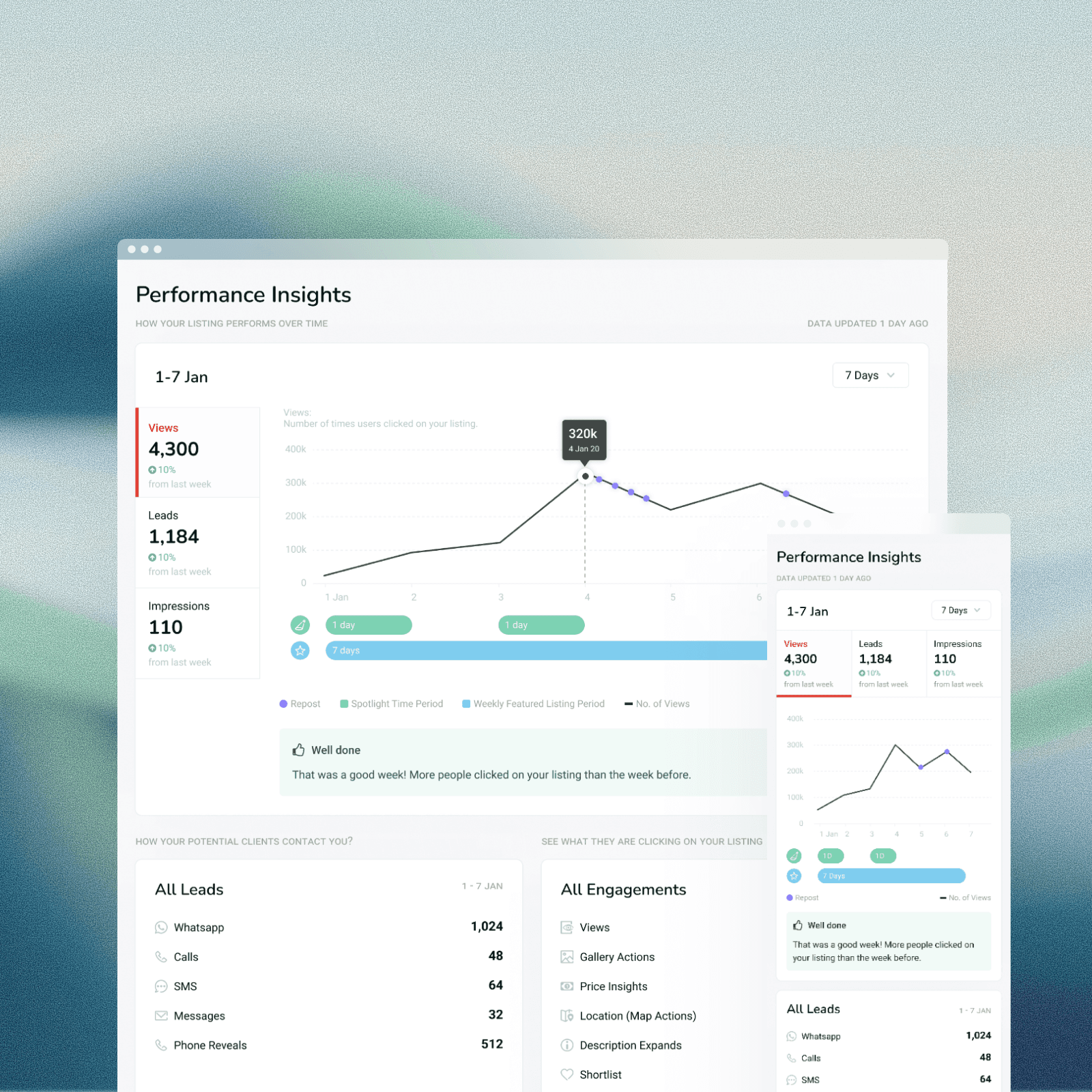
As Soda moved toward a self-serve model, decision quality became as important as speed. To reduce reliance on assumption and opinion, I took direct ownership of the marketing website, quote flows, and pre-sign-up experience - and deliberately instrumented these surfaces for learning and iteration. I integrated behavioural analytics across these critical touchpoints to understand how SMEs actually navigated, hesitated, and dropped off - particularly at moments of evaluation and commitment. In parallel, I built an AI-powered research repository using Cursor and Apollo - pulling in qualitative signals from sales calls, customer email conversations, and prospect intelligence, and synthesising them continuously into actionable insight. The system connected real sales conversations with product and marketing decisions in near real time, replacing ad hoc opinion-sharing with a shared, structured source of truth.
The intent wasn't tooling for its own sake - it was clarity, at speed. Together, these inputs created a shared, continuously evolving understanding of user behaviour and decision-making, which allowed us to:• Identify friction and hesitation points across the marketing site and quote flows.
By combining behavioural data with synthesised qualitative insights, we were able to move faster without sacrificing confidence - keeping decisions grounded in real user signals while operating at scale-up speed.
Scaling beyond launch: from product to ecosystem
Following launch, the nature of the problem changed. Design demand increased rapidly across product, marketing, help content, sales enablement, and lifecycle communications. At this stage, speed was no longer the primary risk - fragmentation was. Without intervention, each surface would have evolved independently, recreating the same inconsistency and bottlenecks we had just removed. Recognising this early, I shifted focus from designing individual experiences to designing the system that allows those experiences to scale coherently.
Designing for leverage
To support this shift, I focused on creating leverage through systems rather than centralised control. This included:
• Modular layouts and reusable experience patterns
• CMS-driven content structures instead of bespoke pages
• Shared UX and copy principles across product and marketing
• A help centre structured around user intent rather than internal ownership
The goal was to enable scale without routing every change through design, while preserving a coherent experience across the ecosystem. One of the most concrete expressions of this was an automated content pipeline I built using n8n. The workflow ran continuously - pulling signals from research and market data, identifying content gaps, and generating structured briefs for SEO-optimised content on the marketing site. Rather than content strategy depending on a person to initiate it, the system surfaced opportunities automatically, with proposals ready to act on. This shifted content from a reactive function - something that happened when someone had time - into a proactive, compounding asset. As the product evolved, the content strategy kept pace without additional headcount or coordination overhead. It also meant the marketing site remained consistently optimised for discovery, not just launch.
Impact
• Successfully transitioned a legacy, sales-led product into a scalable self-serve platform
• ~80% cost savings compared to agency-led website builds
• Iteration cycles reduced from weeks to days
• Clearer value proposition for SMEs
• Reduced reliance on sales and operations for onboarding
• A design and delivery system that scaled without increasing team size
• Instrumented key acquisition and conversion flows with behavioural analytics and qualitative insights, improving decision quality across product and marketing
• AI-assisted front-end delivery via Cursor removed agency dependency and reduced build time at the most critical stage of the product's evolution
• Automated n8n content pipeline surfaced SEO-optimised content opportunities continuously - reducing the cost and coordination overhead of content strategy
Reflection
Soda reframed how I see the role of design in a growing organisation. Design wasn't just shaping the experience - it became a scaling mechanism. By aligning product, brand, acquisition, and delivery into a single system, we were able to grow without proportional increases in cost, complexity, or headcount.
AI was part of how that happened - not as a theme or a talking point, but as infrastructure. The research repository built with Cursor and Apollo, the automated content pipeline in n8n, the AI-assisted front-end delivery - each one reduced a dependency, shortened a feedback loop, or created leverage where a person used to be the bottleneck. That is the version of AI adoption I find most useful: not what it can do in a demo, but what it quietly enables at scale.
The lasting impact of this work isn't the platform that launched, but the organisation's increased ability to move with clarity and speed - without recreating the same bottlenecks we started with.
Next Projects